
Blog
The Hidden Dyes in your lip Products: what “Clean Beauty”isn’t Telling You

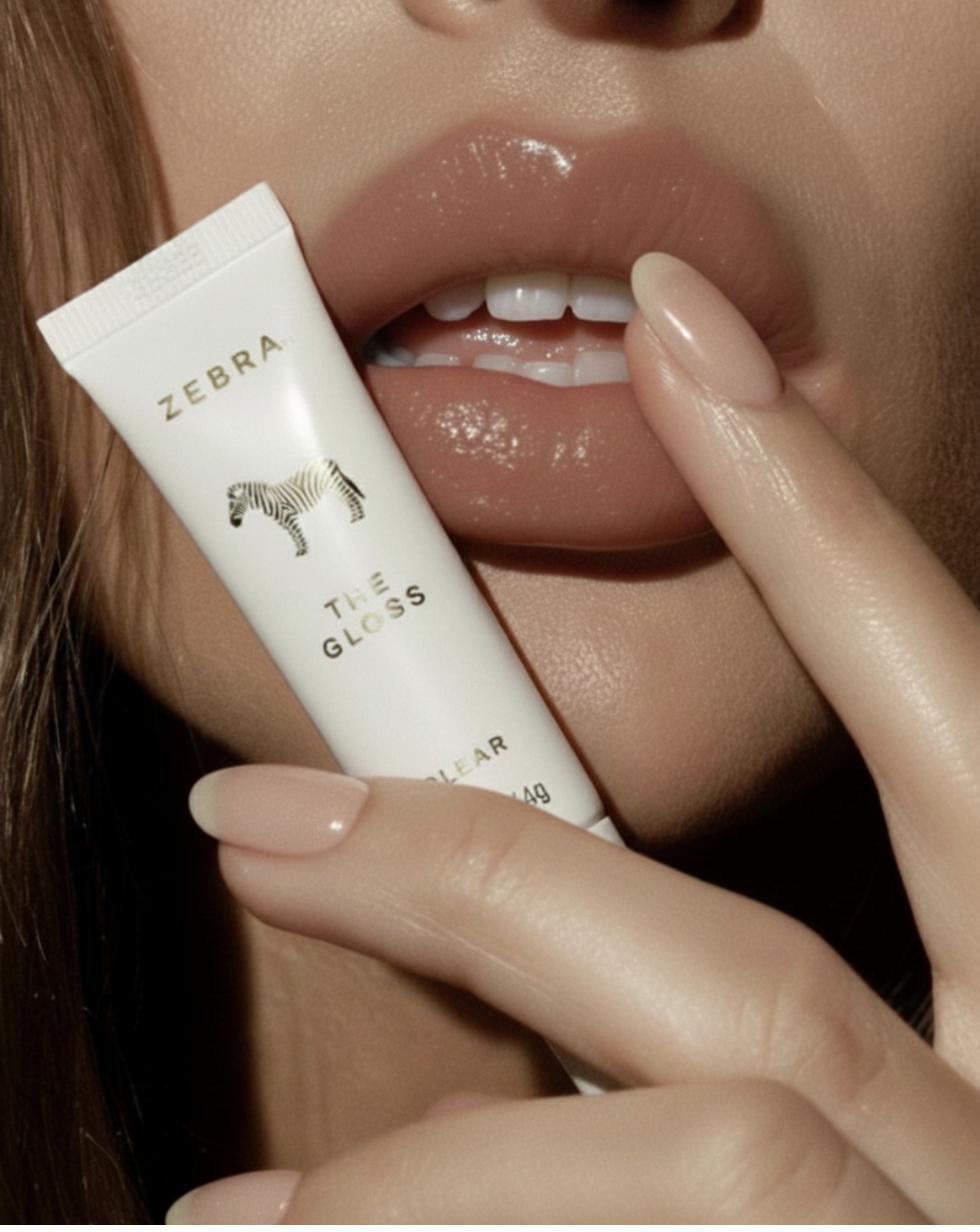
If you’ve already cleaned up your pantry, your skincare, and your household products, you’re ahead of the curve. But there’s one category where harmful synthetic dyes routinely slip past even the most label-conscious women: lip products.
Lipsticks, glosses, balms, and tints aren’t like other cosmetics. They don’t just sit on your skin. They get ingested. Every time you eat, drink, sip your coffee, or absentmindedly press your lips together, you’re consuming whatever is in your formula. Studies estimate the average woman swallows several pounds of lip product over her lifetime. That changes the stakes entirely.
And yet, the same synthetic dyes the FDA is actively phasing out of food are still showing up in cosmetics, often in products marketed as “clean,” “natural,” or “non-toxic.”
Let’s break down what’s really happening, why it matters, and how to actually identify what you’re putting on (and in) your body.
Why Lake Dyes Are Under Scrutiny
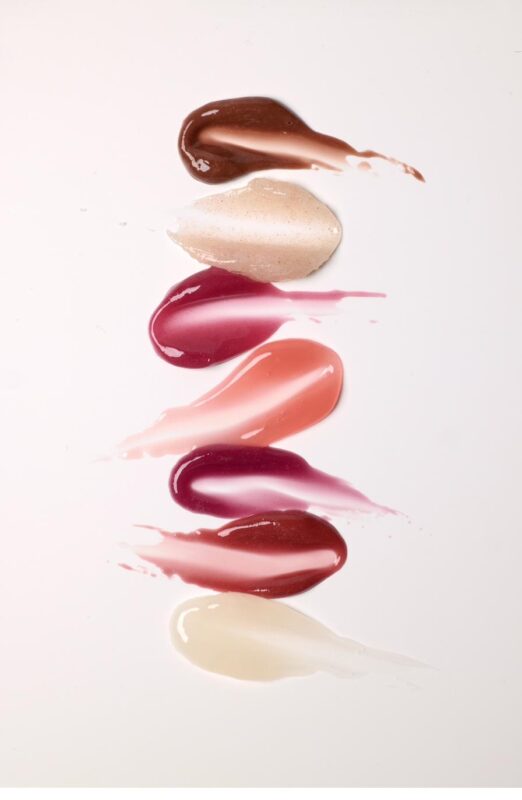
Lake dyes are synthetic colorants derived from petroleum. They’ve been used in food, drugs, and cosmetics for decades, but the science is finally catching up to what many in the wellness space have suspected for years.
Red No. 3 became the face of this issue when the FDA moved to phase it out of all products following research linking it to attention disorders, hyperactivity in children, and cancer in animal studies. But Red No. 3 is just one dye in a much larger family.
Here’s what the research is uncovering about lake dyes more broadly:
- They can linger in the body. Unlike water-soluble dyes, lake dyes are designed to be insoluble, which makes them effective for vibrant, long-lasting color. That same property means they aren’t easily flushed out and may interfere with normal cellular function over time.
- They’re petroleum-derived. Petroleum-based ingredients can contain polycyclic aromatic hydrocarbons (PAHs), a class of compounds with known carcinogenic properties.
- They may disrupt hormones. Emerging research suggests certain synthetic dyes can interfere with endocrine function, the system responsible for regulating everything from mood to metabolism to fertility.
- Heavy metal contamination is a real concern. The manufacturing process for lake dyes can introduce trace amounts of lead, cadmium, arsenic, and mercury into finished products. These metals accumulate in the body over time.
For women in their reproductive years, daily exposure to ingredients with hormone-disrupting and bioaccumulative properties is not a small thing. It’s a long game, and small swaps add up.
The “Clean Beauty” Loophole You Need to Know About
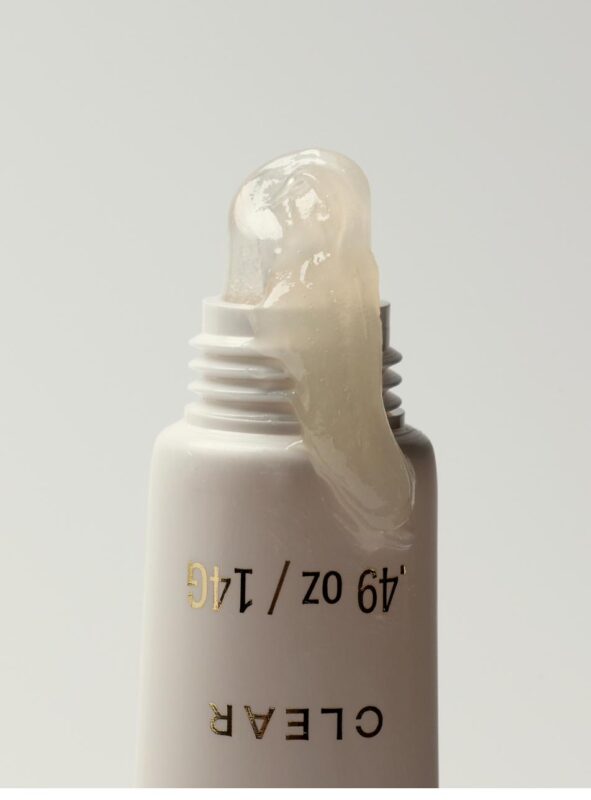
Here’s where it gets frustrating. Many brands that market themselves as clean, natural, or non-toxic still use lake dyes. They just don’t always make it obvious.
When you scan an ingredient list, lake dyes often hide behind:
- The word “pigments” with no further specification
- Color Index (CI) numbers, which most consumers don’t know how to decode
- Vague terms like “natural color” or “mineral pigments” that legally allow for synthetic blends
For example, CI 15850 is Red 7 Lake. CI 15985 is Yellow 6 Lake. CI 45410 is Red 27 Lake. Unless you’ve memorized the codes, you’d never know.
This is why so many women feel misled. You’re paying a premium expecting something safer, and the marketing reassures you that you’re making a better choice. But the label tells a different story if you know how to read it.
How to Actually Read a Lip Product Label
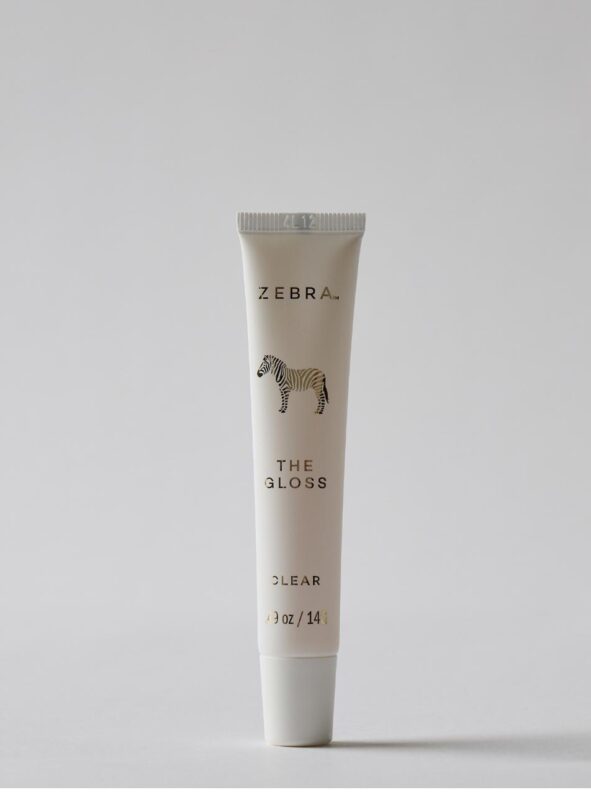
If you take one practical skill away from this post, let it be this. Here’s a checklist you can use the next time you’re shopping:
- Search for the word “lake.” If you see Red 7 Lake, Yellow 5 Lake, or Blue 1 Lake anywhere in the ingredient list, that’s a synthetic petroleum-derived dye.
- Look up any CI number you don’t recognize. A quick search will tell you exactly what dye is hiding behind the code. If it traces back to a Red, Yellow, Blue, or Orange number, it’s synthetic.
- Be skeptical of “pigments” with no specification. Legitimate natural colorants are usually named directly: beetroot, hibiscus, iron oxide, mica, annatto, and similar plant or mineral sources.
- Ignore the front of the package. “Clean,” “natural,” “non-toxic,” and “free-from” claims are largely unregulated. The ingredient list is the only thing telling you the truth.
- When in doubt, ask the brand. A company that’s truly transparent will give you a straight answer. If they get defensive or vague, that’s your answer.
The ZEBRA Standard
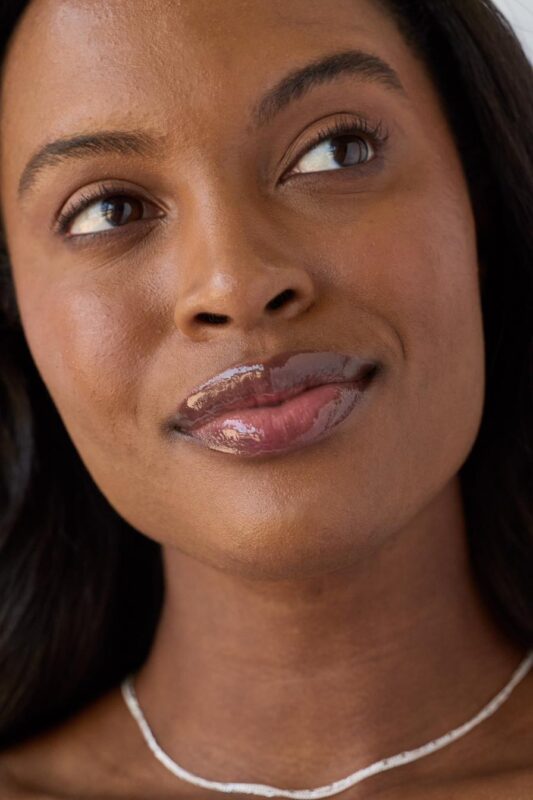
At ZEBRA, we believe every product should support the body’s God-designed systems, not disrupt them. That’s why we have a hard line on lake dyes. We don’t use them. Not in our lip products, not in any of our formulas, not ever.
Instead, we use natural, plant-based colorants and clean, nourishing ingredients. That choice comes with a tradeoff we’re proud of: our finishes are softer and more wearable than what you’ll find in synthetic-dyed alternatives. You get the shine, the hydration, and the polish without compromising what’s going into your body.
Our gloss collection was built around this exact standard:
Clear Gloss

For a clean, hydrating shine that goes with everything.
Iced Latte Gloss
For a soft, neutral wash of color you’ll reach for every day.

For a warm, sun-kissed tint with zero synthetic dyes.
The Latte Lip Duo
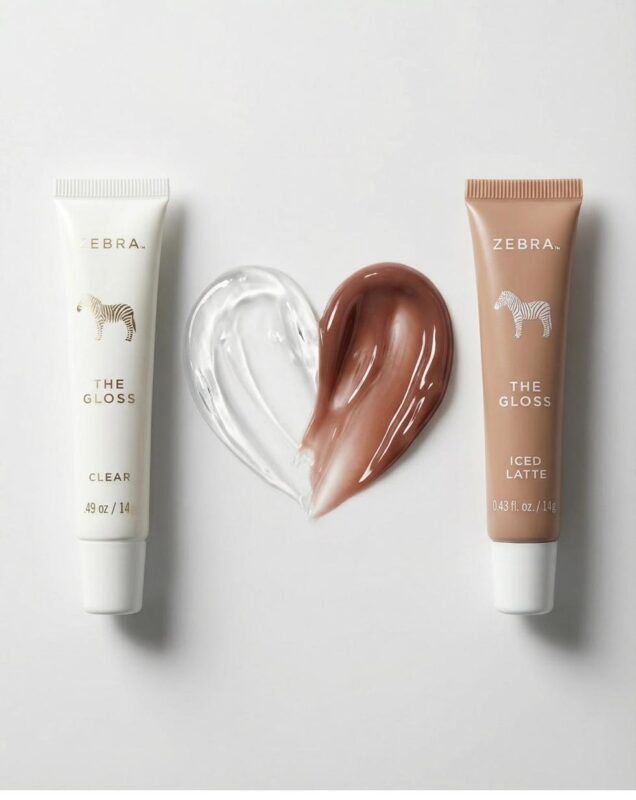
Each one is formulated without lake dyes, without petroleum-based colorants, and without the vague “pigment” loopholes you’ll find on most labels.
What You Can Do Right Now
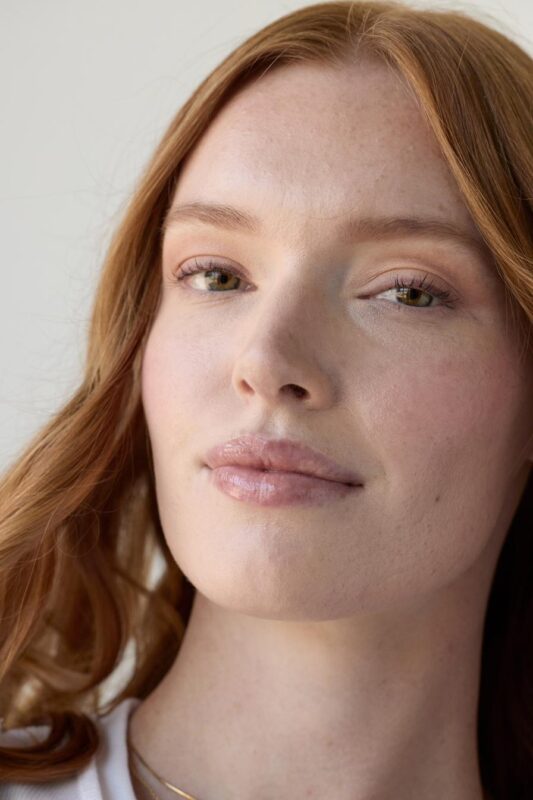
Awareness is the first step, but action is what actually changes outcomes. Here’s how to put this into practice:
- Audit your current lip drawer. Pull out every gloss, balm, and lipstick you own and check the ingredient lists. You’ll likely be surprised by what you find, even in products from brands you trust.
- Replace the worst offenders first. You don’t have to overhaul your entire routine overnight. Start with the products you use most often, especially anything you reach for daily or keep in your purse.
- Make the switch to formulas you can stand behind. When you’re ready, explore the ZEBRA gloss collection and feel the difference uncompromised ingredients make.
- Share what you’ve learned. Most women have no idea this is happening. Forward this to a friend, post about it, or simply have the conversation. Awareness spreads when we talk.
At ZEBRA, we believe our customers deserve products that are truly natural, honest, and uncompromised. If an ingredient doesn’t support your health, it simply doesn’t belong in our formulas.
Question everything. Read every label. Your body is worth it.